
Things you didn't know were born in Treviso
Treviso is a quiet city. It doesn’t announce itself. There are no grand monuments demanding your attention, no queues forming at dawn outside unmissable sights. It goes about its days in the unhurried way it always has — and in doing so, it hides an extraordinary amount of history in plain sight.
Walk around long enough, and you start to notice. The stories are there. They just don’t shout.
The dessert that conquered the world
Tiramisu was invented here. Not in Venice, not in Rome, not in a restaurant that has since become a global chain. Here, in Treviso, sometime in the 1960s, at a restaurant called Le Beccherie — a place that still exists, still serves it, and still does it better than almost anywhere else.
The version that spread across the world — lightened, modified, served in individual glasses at hotel breakfast buffets — bears a family resemblance to the original, but only that. The Treviso tiramisu is something else: richer, more delicate, made with ingredients that taste of where they come from.
Eating it here, in the city where it was born, is one of those small experiences that resets your understanding of a dish you thought you already knew.

The vegetable with a cult following
Radicchio Trevigiano — the long-leafed, deep red, pleasantly bitter variety — is not just from this region. It is this region, in edible form. Cultivated in the fields around Treviso for centuries, it has a particular character that comes from the local soil and the traditional growing methods that force the leaves to whiten and sweeten before harvest.
You’ll find it everywhere in the city: grilled alongside meat, folded into risotto, paired with cheeses that complement its bitterness. It’s a vegetable that people in Treviso feel strongly about — and once you’ve tasted it prepared properly, you’ll understand why.
The rest of the world has started to notice. In Treviso, they’ve known all along.

The brands that changed how we live
This corner of the Veneto produced two of Italy’s most recognisable companies — and their origins say something interesting about the region.
Benetton started in Ponzano Veneto, just outside Treviso, in the 1960s. What began as a small family knitwear business became one of the most globally recognised fashion brands of the twentieth century — known not just for its clothes but for advertising campaigns that changed what fashion communication looked like. The headquarters are still here. The family is still here.
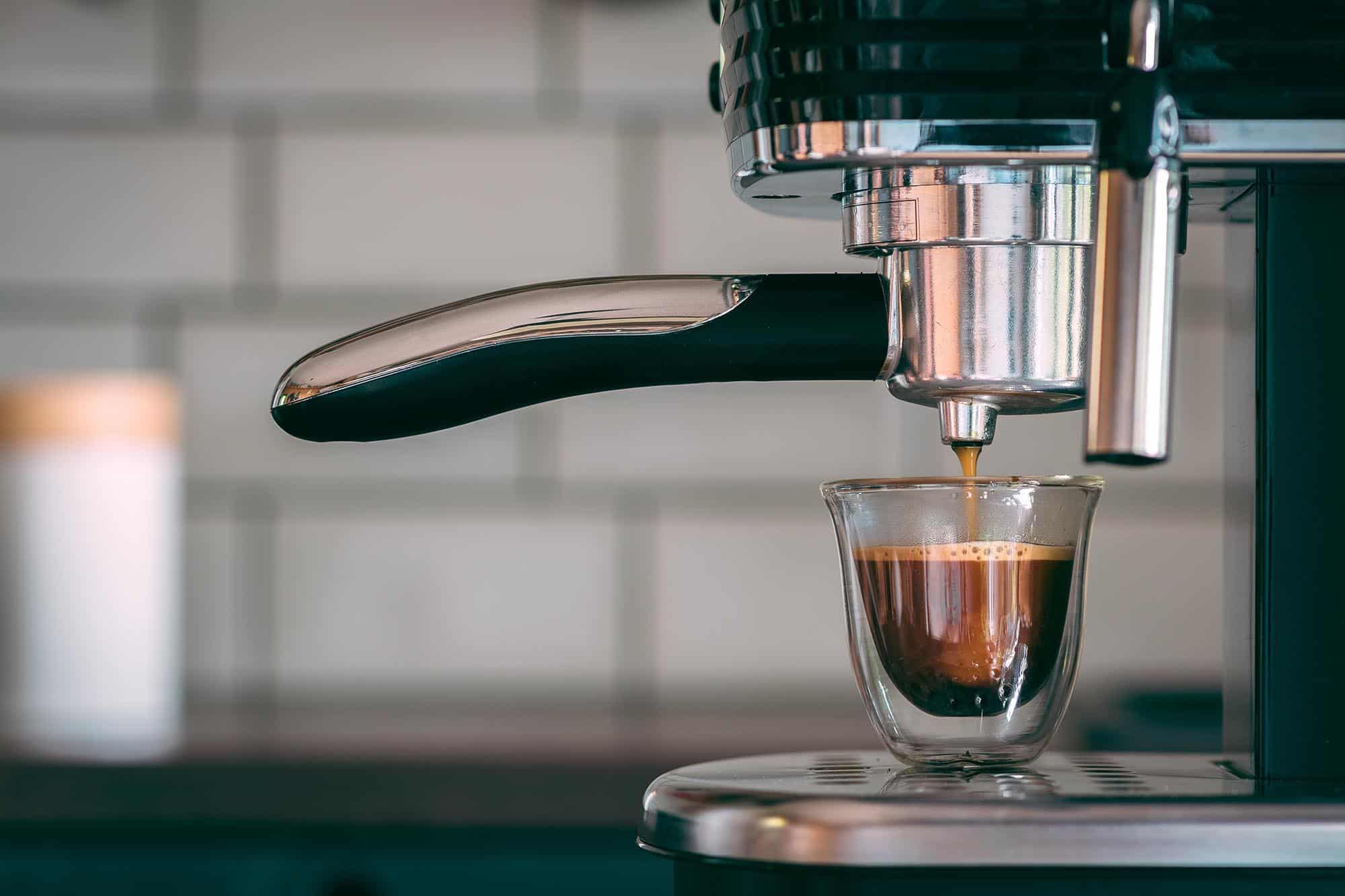
De’Longhi — the company behind the espresso machines, the kitchen appliances, the products that sit on counters in homes across the world — was founded in Treviso in 1902. It started as a small industrial parts manufacturer and became, over the course of a century, a byword for Italian design applied to everyday domestic life.
Two companies, both born here, both shaped by the same regional character: quiet, precise, quality-conscious, and not particularly interested in being flashy about it.
A city that cinema noticed
Treviso has attracted filmmakers for the same reason it attracts anyone who pays attention: it already has character. The canals, the frescoed facades, the medieval streets, the particular quality of the northern Italian light — none of it needs decoration. It simply is what it is, and what it is happens to be extraordinarily photogenic.
Scenes have been captured here over the decades precisely because Treviso looks like a version of Italy that feels real rather than staged. It has never needed to become a film set. It already looks like one.
A place that shaped things
What Treviso has quietly produced — a beloved dessert, a distinctive ingredient, global brands, a visual language that filmmakers keep returning to — is not the result of ambition in the obvious sense. It’s the result of a place that takes quality seriously without making a noise about it.
Walk around long enough and the city stops feeling like a list of attractions. It starts feeling like somewhere that has been making things — real things, lasting things — for a very long time, and sees no particular reason to stop.
That, in the end, might be the most Treviso thing about it.