
Treviso
The Italy you didn’t know you were looking or.
There’s a version of Italy that doesn’t make it onto the highlight reels. No queues. No cruise ships. No crowds pressing against you at every corner. It’s quieter than you’d expect, and more beautiful for it.
That version is Treviso.
Thirty minutes from Venice by train — but a world apart in feeling — Treviso is one of those places that earns your affection slowly. You arrive, you walk, and somewhere between the second canal and the third glass of prosecco, something shifts. You stop being a tourist. You start feeling like you live here.
A city made for walking
Treviso is compact, elegant, and entirely navigable on foot. Its medieval walls still stand — a full circuit you can walk in an easy afternoon, with views over the surrounding plains and, on clear days, the first ridges of the Dolomites in the distance.
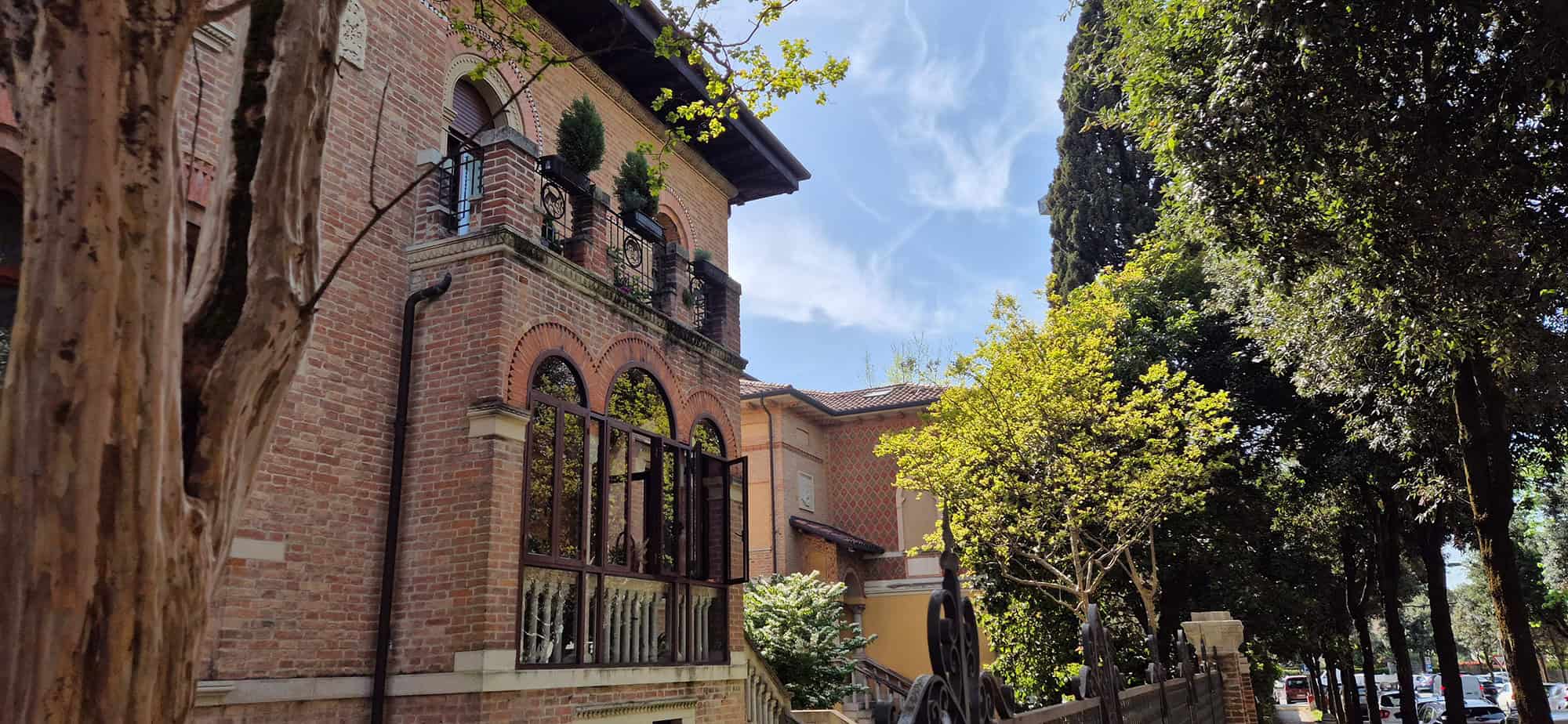
Inside those walls, the streets are lined with frescoed facades, arcaded walkways, and the kind of details you only notice when you’re not rushing. A carved doorway here. A vine climbing a terracotta wall there.
Start at Piazza dei Signori, the city’s central square. Its most imposing landmark is the Palazzo dei Trecento — a 12th-century palace that once served as the seat of the city’s civic assembly. Find a table at one of the outdoor cafés, order a spritz, and let the square come to you. This is an Italian piazza doing exactly what a piazza should do.
The canals
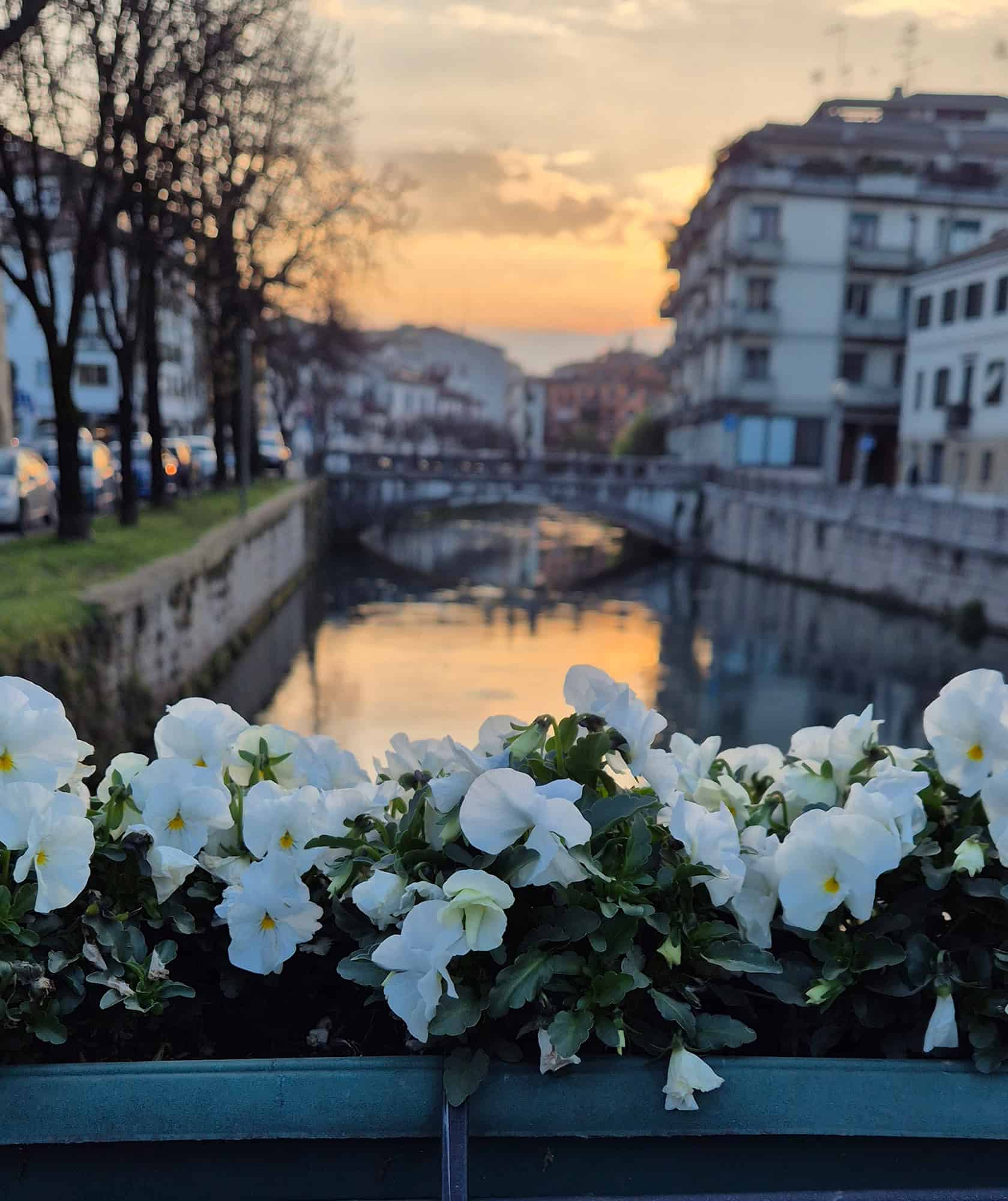
Yes, Treviso has canals. And yes, they’re beautiful — but in a completely different register from Venice. Where Venice dazzles, Treviso charms. These are canals you can sit beside, without having to fight for a spot.
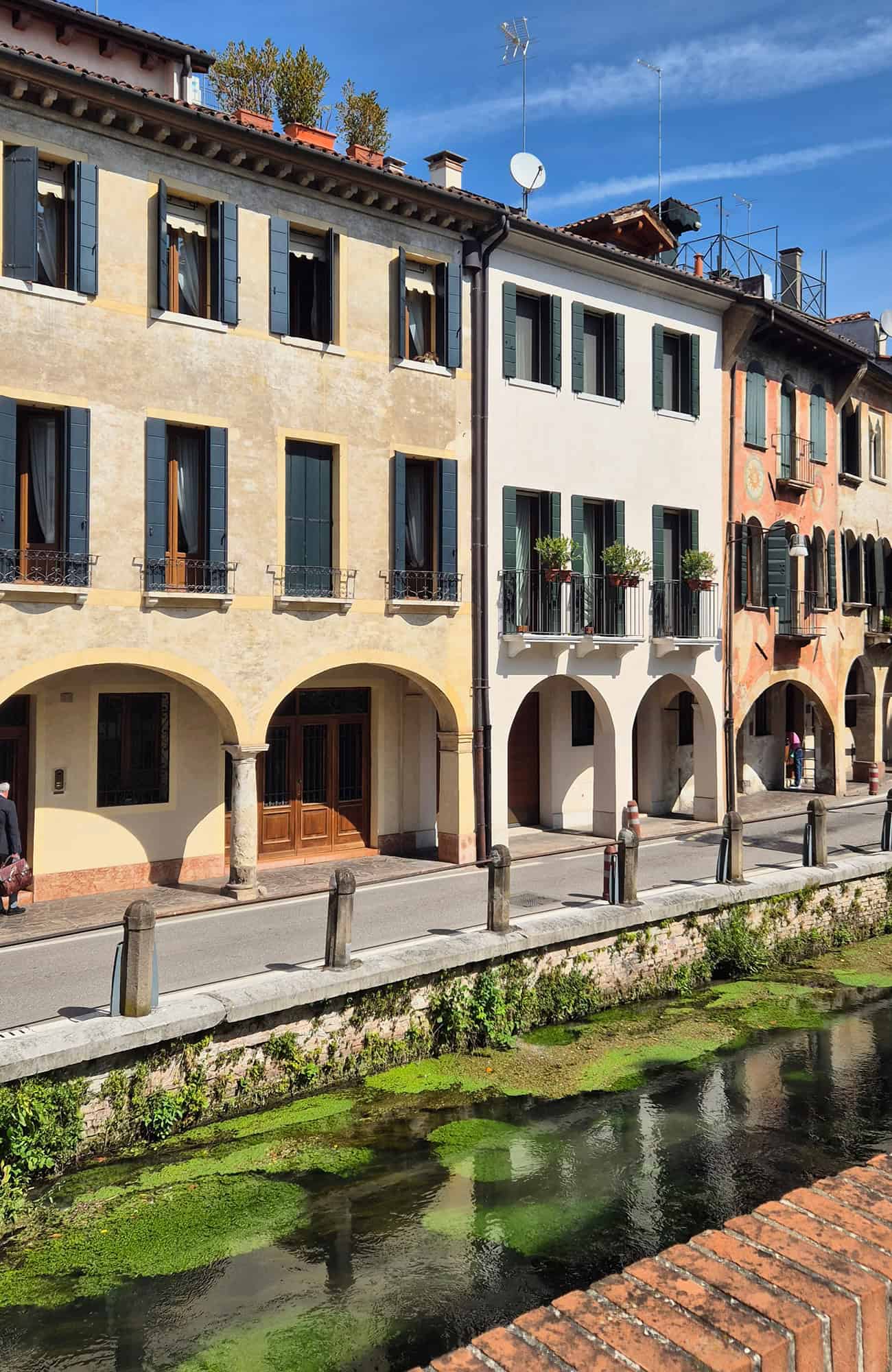
The Canale dei Buranelli is the one that stops people mid-stride. Narrow, lined with coloured houses reflected in still water, it has the feeling of a painting that got up and moved to northern Italy. Come in the late afternoon when the light is right, and it’s almost unreasonably pretty.
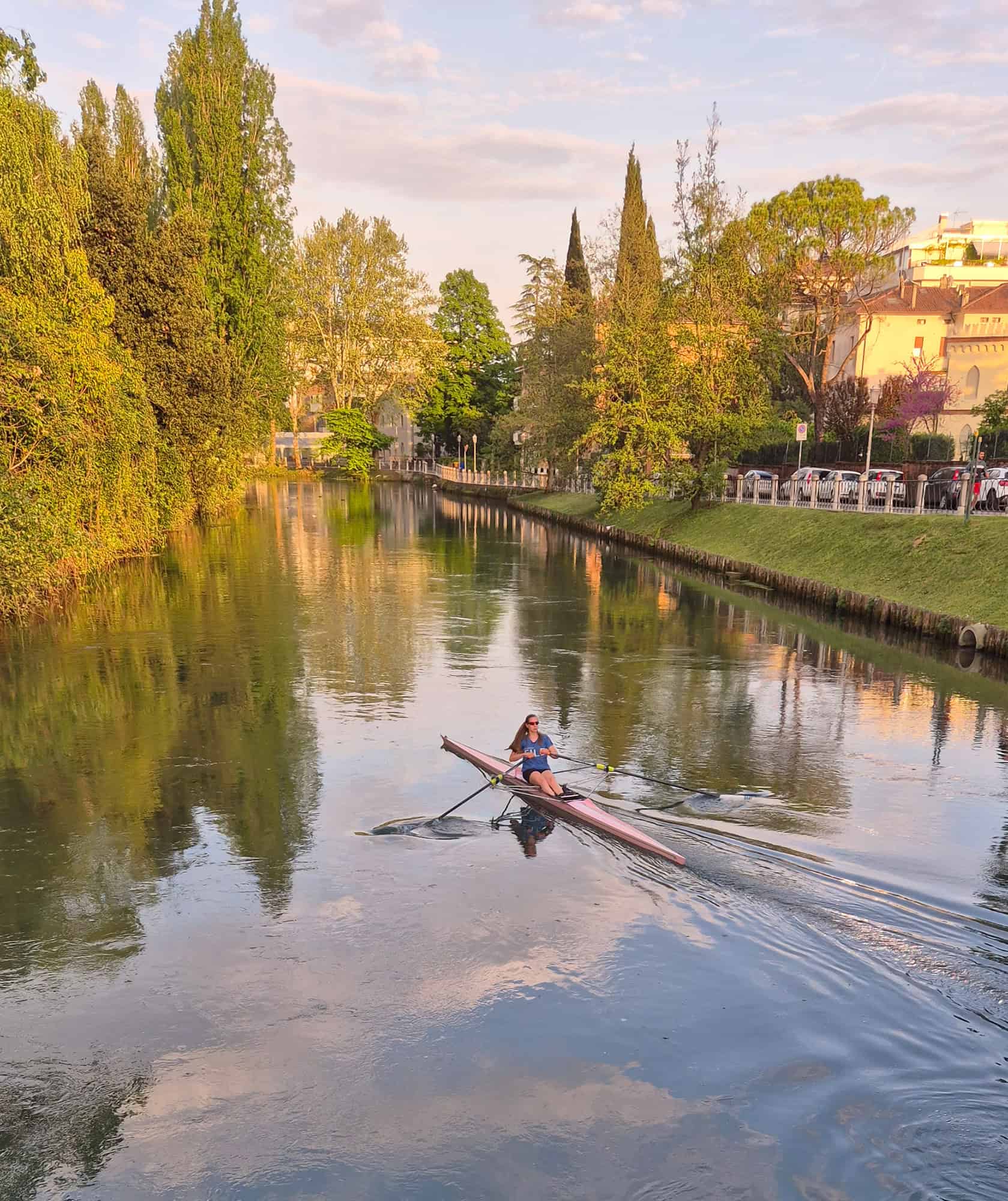
The Riviera Santa Margherita offers a longer walk along the Sile River — past villas, old water mills, and stretches of calm that feel entirely removed from the twenty-first century. For something different, local operators run boat tours along the Sile that show you parts of the city that can’t be reached on foot.
The fish market island
Tucked into the middle of one of Treviso’s canals is a small island that has been home to the city’s fish market for centuries. On weekday mornings, it’s alive with vendors, locals doing their shopping, and the particular kind of energy that comes from a city going about its day. Most stalls wrap up by early afternoon, so come before 1 PM.
Around the market, a cluster of small shops and delis sell exactly the kind of things you want to bring home: jams, cured meats, local pasta, pickled vegetables. Stock up, or simply buy something to eat by the water.
What to eat (and drink)
Treviso takes food seriously. The region makes three claims to fame that are hard to argue with: this is where tiramisu was invented, where radicchio was first cultivated, and where the hills above town produce some of the world’s best prosecco.
Go looking for all three.
Tiramisu here is nothing like the version that ended up in hotel breakfast buffets everywhere else. It’s lighter, more delicate, and made with ingredients that actually taste of something. Several restaurants in Treviso claim the original recipe — the debate is genuinely contested — but the safest approach is to try multiple versions and form your own opinion.
Radicchio Trevigiano — the long-leafed, bittersweet variety specific to this region — turns up everywhere. Grilled, in risotto, paired with meats. Order the risotto if you see it on the menu.
And the prosecco. The hills of Conegliano and Valdobbiadene, a short drive north, are a UNESCO World Heritage Site. You can taste what they produce at almost any bar or osteria in the city, often poured as an aperitivo alongside cicchetti — the small bites of crostini, fried foods, and cured meats that stand in for dinner if you eat them long enough.
For a full meal, look for the city’s osterie — the traditional wine bars that double as restaurants. They tend to be unpretentious, full of locals, and serving exactly the kind of food that makes you want to extend your stay. Osteria Contemporanea earns particular loyalty for its outdoor tables on cobblestones and its traditional kitchen. For a light lunch or aperitivo with locals, find a lively hostaria and follow the crowd.
For something quieter, Malvasia Café on the Canale Buranelli lets you eat with the canal right below you — watching the occasional fork fall in, apparently a local tradition.
Day trips from Treviso
One of the quiet advantages of staying in Treviso is its position. You’re not just in one place. You’re at the centre of one of Italy’s most varied and overlooked regions.
Venice is 30 minutes by train — close enough for a day, far enough to come home to calm. The trains run frequently, and arriving in Venice from Treviso rather than flying direct means you skip the airport scrum entirely.
Asolo — a hilltop town the poet Robert Browning called one of the most beautiful in Italy — is 45 minutes away. Its medieval streets, panoramic views, and weekend antique market make for a very easy half-day.
The Prosecco Hills are 40 minutes by car: steep vineyards, small producers, and the kind of landscape that makes you pull over every few hundred metres.
Verona is an hour and fifteen minutes. The Dolomites are reachable as a day trip. The architecture of Padova and Vicenza is an easy afternoon out.
The train station in Treviso puts you in reach of all of it — without the hotel prices of Venice or the tourist infrastructure of Verona.
The feeling of it
What Treviso offers isn’t a list of unmissable sights. It’s something harder to photograph and easier to feel.
Mornings that move slowly. Markets that smell of fish and fresh bread. Evenings where the aperitivo hour stretches without anyone hurrying you along. Streets that feel like they belong to the people who live on them, not to visitors passing through.
It is, without anyone having decided to make it this way, the Italy people describe when they talk about what they were hoping to find.
Come with time. Leave with more than you expected.